Homeowners rarely replace windows for fun. They do it because energy bills sting, rooms feel drafty, or the façade looks tired and out of step with the rest of the street. If you are searching for energy-efficient aluminium windows near me, the stakes are practical. Good windows change how a home feels and performs: warmer in winter, cooler in summer, quieter all year, with less maintenance and a cleaner line against brick or render. The trick is cutting through brand noise and technical jargon so you can choose with confidence.
I have spent years specifying and inspecting aluminium frames on projects across the UK, from compact terraces in Walthamstow to large extensions in Surrey and mid-rise blocks in Zone 2. The same questions come up: how efficient can aluminium really be, what should I check on a quote, and where does quality show up after installation? Here is the unvarnished, practical guide I give clients before they sign.
Why aluminium, and why now
Aluminium wins on strength, slim sightlines, and long life. Where timber needs regular painting and uPVC can bulk up to achieve stiffness, aluminium keeps a narrow profile that lets more light in. On a Victorian terrace, that difference might be 10 to 20 mm per mullion. Across a five-panel set of sliders, that turns into noticeably more glazing and a calmer, more contemporary look.
Aluminium also resists warping and ultraviolet fade. Powder coating bonds colour to the metal, which means real longevity with only washing and the occasional hinge lubrication as maintenance. For coastal homes or streets that get blasted by road salt, marine-grade finishes hold up for years.
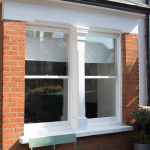
Efficiency used to be the stumbling block. Bare aluminium conducts heat, which is exactly what you do not want from a frame that wraps your expensive double or triple glazing. Thermal breaks changed that story. Modern aluminium systems split the inside and outside of the frame with an insulating section, often polyamide or a composite insert that blocks conductive heat flow. Once you combine that with high-spec glass, gas filling, and warm-edge spacers, aluminium frames can meet or exceed Part L requirements and rival the U-values of alternative materials.
What energy efficiency actually means in windows
Marketers love buzzwords. Ignore the fluff and look for three numbers or labels that are defensible and measurable.
First, U-value is the rate of heat transfer. Lower is better. Typical double-glazed aluminium windows with a solid thermal break come in around 1.2 to 1.4 W/m²K. With triple glazing and a top-tier system, you can push toward 0.9 to 1.1 W/m²K, sometimes lower if the opening is small and the glass build is optimised. Ask for whole-window U-values, not just centre-of-glass, because frames and spacers matter.
Second, g-value, sometimes called solar factor, measures how much solar energy passes through the glass. For south and west elevations you want to balance winter heat gain and summer overheating. Typical g-values run from 0.35 to 0.65. Pick too high on a big glazed area and you will bake in July. Pick too low on a shaded elevation and you leave free winter heat on the table.
Third, air permeability, often cited from tests like BS EN 1026, is about drafts. Lower leakage equals higher comfort and fewer cold spots. You will see ratings by class. For urban homes on noisy streets, combine excellent air tightness with acoustic laminated glass, and your living room suddenly sounds like a library.
Glass build is the unsung hero. Double glazing with argon and a soft low-e coating is the current floor. Warm-edge spacers reduce the cold bridge around the perimeter. Switch to krypton for performance in slim cavities, or upgrade to triple glazing for specific rooms that need thermal or acoustic gains. Do not assume triple is always better. On small sash windows with tight proportions, weight and sightline impact might outweigh the gains unless you are chasing Passive House levels.
Aluminium systems are not all equal
When you search Aluminium windows near me, you are seeing installers and fabricators, not the underlying frame systems. The system is the engineered profile, seals, gaskets, and thermal break that get fabricated into units. Recognisable names include Schüco, Reynaers, Aluk, and Origin, among others. Local specialists such as Durajoin Aluminium Windows and Doors often work with one or two systems they know intimately. This matters, because installation quality interacts with system details.
With a good system, you feel it in the hinge action and the seal compression, especially on a cold day. The handle clamps down with a solid click, the weather strips seat evenly, and the sash does not aluminum doors london wobble. On poor systems, you see flexible beads that mark easily, awkward glazing clips, or a frame that needs excessive packers to achieve square during fitting.
If you are considering Aluminium Windows in London, pay attention to trickle ventilation options. Changes to building regulations require adequate background ventilation. Some systems integrate trickle vents into the head neatly. Others rely on add-on units that look clumsy. Ask to see a sample head detail before you proceed if aesthetics matter.
The London factor: planning, noise, and logistics
London homes bring added complexity. Terraces often fall within conservation areas. Planners usually accept aluminium on rear elevations and modern extensions where the intent is clearly contemporary. On front elevations, many councils prefer traditional sightlines. You can still use aluminium if you keep proportions and glazing bars sympathetic, but expect deeper scrutiny and longer approvals. I have had projects in Camden pass with slim aluminium casements at the rear while the front sash was restored in timber for authenticity. That compromise saves hassle.
Noise is the second London factor. If you live near a main road or rail line, acoustic laminated glass with differing thickness panes and an offset cavity makes a night-and-day difference. For example, a 6.4 mm acoustic laminate paired with a 4 mm pane over a 16 mm argon-filled cavity is a reliable, balanced choice that can push Rw ratings into the mid 40s with the right seals. You will not turn a flat above a bar into a monastery, but you will tame the sharp edges of traffic and late-night chatter.
Logistics complete the trio. Access in London can be tight. Check if your installer has experience with restricted parking, timed deliveries, and craning large panes over terraced houses. For big Aluminium Doors in London, such as a three-panel slider over 6 meters, I have seen a one-hour parking delay cascade into a full-day loss with overtime charges. A seasoned firm will plan around permits and book enough hands on site to move glass safely without rushing.
Frames, finishes, and the details that add up
Thermal breaks are the first detail. Look for multi-chambered breaks and foam inserts on advanced systems. Ask to see a cross-section and a thermal model. If all you hear is “it is thermally broken,” push for specifics. The difference between a basic break and a modern, foam-enhanced profile is easily a few tenths on U-value and noticeable on comfort near the frame at night.
Seals and gaskets are the second. Quality EPDM seals maintain flexibility over time and resist compression set. If you can remove a sash and see daylight at corners, something has gone wrong. The best fabrication shops mitre the gasket cleanly at corners or use formed gaskets. Caulked gaps are a red flag.
Hardware matters more than most people think. Choose handles and hinges rated for the sash weight. On triple-glazed sashes, the extra kilos stress cheap hardware and you will feel it after a year. For larger openings, look for friction hinges or concealed hinges that are tested for your pane size. A window that sags out of square by a few millimeters will leak air and water, no matter the U-value.
Finish quality shows up in two places: the powder coat and the mitres. Powder coating should carry a Qualicoat or similar certification. If you live near the coast, specify a higher marine-grade finish. Inspect the frame corners for tight, clean mitres with minimal visible crimping or burrs. Small tells like smear marks on black gaskets or paint contamination on beads hint at rushed fabrication.
The glass package is your engine
Talk to the installer about the glass like you would talk to a car dealer about the engine, not the paint. For energy efficiency, a common high-performance double-glazed spec in London uses two panes with a soft low-e coating, a 16 to 20 mm argon-filled cavity, and a warm-edge composite spacer. That package lands around 1.1 to 1.2 W/m²K centre-of-glass. If you choose triple glazing for bedrooms facing the street, you might run a 4-12-4-12-4 configuration with argon or krypton. The gain is thermal and acoustic, but the weight jumps and the frame sightline may thicken.
Solar control coatings help on south and west elevations with large panes. A moderate solar factor of 0.4 to 0.5 cuts summer glare without making winter rooms feel dull. If you have deep eaves or external shading, you can choose a higher g-value and harvest more winter sun.
Do not forget spacer color. Black or dark grey warm-edge spacers disappear visually and reduce edge-of-glass temperature loss. The difference in condensation resistance is subtle but real on cold mornings.
Installation quality is half the battle
Even the best system can underperform with poor fitting. I have opened wall cavities behind brand-new frames to find gaps the size of a pound coin stuffed with loose fiberglass or, worse, left empty. That is a cold bridge and a condensation trap. A competent crew will pre-check openings, use rigid packers to keep the frame square, fix mechanically through reinforced points, and seal the perimeter with a layered approach: expanding foam or backer rod in the primary gap, then a weather-resistant, vapour-aware sealant outside and an airtight seal inside. The order matters to control moisture. If your installer only mentions silicone everywhere, ask for their detail.
Check that cills are correctly bedded with end caps tight and a slight fall to shed water. I have seen water track backwards from a poorly seated cill and drip into a plasterboard return. The fix took half a day. The stain took weeks to forget.
Finally, insist on a site measure by the fabricator, not just a salesperson. Tolerances on aluminium are tighter than on uPVC. A 5 mm misread can turn into strained fixings and those telltale creaks when wind gusts hit.
Cost, value, and the payback story
Expect to pay more for aluminium than for uPVC, less than for premium hardwood. For a typical London semi with 8 to 12 openings, a midrange aluminium system with quality double glazing often lands in the range of £9,000 to £18,000 supplied and fitted, depending on sizes, openings, and finish. Triple glazing or high-spec acoustic glass pushes that higher. Large Aluminium Doors in London, such as a 5 to 7 meter slider or bifold, can add £6,000 to £15,000 on their own, driven by hardware and glass weight.
Will you “make it back” in energy savings? Over a decade, lower bills and fewer callouts help, but the bigger win is comfort. Warm internal surfaces mean no cold downdrafts at night and fewer condensation problems that lead to mold. When you factor in durability, fewer repaints, and better light from slim sightlines, the long-term value feels clear. If you plan to sell, buyers notice smooth, solid-feeling windows, especially on extensions that open to the garden.
How to compare quotes without getting lost
Showrooms and websites tell a story, but the paperwork decides outcomes. When you gather quotes for Aluminium Windows in London, line items should be specific. Vague terms hide shortcuts. If a supplier simply says “double glazing, energy efficient,” push for details on U-value, spacer type, gas fill, and coating names. Ask for the system brand and profile model. Make sure trickle vents, cills, and finishing trims are included.
Here is a compact checklist that keeps comparisons honest.
- Whole-window U-values with glass spec, gas fill, and spacer type Frame system brand, thermal break detail, and hardware model Ventilation approach, cill and head detailing, and colour/finish grade Installation method, perimeter sealing materials, and waste disposal Lead time, warranty terms, and service response commitment
Pay attention to lead times. Aluminium fabrication shops can run six to twelve weeks during busy seasons. If you have a builder on a tight program, you do not want the opening covered with plywood while you wait.
A note on security and insurance
Modern aluminium windows usually meet PAS 24 security standards when specified with the right locks, hinge guards, and laminated glass. Insurers sometimes ask, especially for ground-floor flats or easily accessible windows. If you need to satisfy a lender or a building warranty provider, confirm compliance in writing on the quote. For large doors, look for multi-point locking and robust interlocks. Poorly specified doors are a weak link, and a storm will tell you before a burglar does.
Choosing local expertise
Searching Aluminium windows near me is not just about proximity. Local installers understand the quirks of nearby housing stock and the local planning mood. Brick returns, lintel types, and existing opening sizes vary neighbourhood to neighbourhood. A firm that regularly works on mid-terrace properties in East London will know how to deal with the narrow alley access and shared downpipes that complicate cill replacement.
If you are considering Durajoin Aluminium Windows and Doors, or any reputable London-based specialist, ask to see a completed project similar to yours within a few miles. Nothing beats standing in a finished room, touching the frames, and asking the homeowner how the installers handled snagging. Many good firms welcome it, because happy clients sell future jobs better than brochures.
Maintenance that actually matters
Aluminium is low maintenance, not no maintenance. A simple routine extends life and keeps performance high. Rinse frames and gaskets twice a year with mild soapy water. Avoid abrasive pads that dull the powder coat. Clear drainage slots at the bottom of frames. If a slot is blocked by paint or render, water can back up and find a way inside during a storm.
Lubricate moving parts annually with a non-staining, silicone-free product recommended by the hardware maker. If you notice stiff operation on a heavy sash, do not force it. That is a sign the hinge or keep needs adjustment, which takes a trained hand 10 minutes and saves the hinge from premature wear.
Listen for whistling on windy days. It usually means a seal is not seating or a trickle vent is partially open. On new installs, wind noise often disappears after a small tweak to compression settings. Call the installer while you are still within the initial service period.
When triple glazing is worth it, and when it is not
Triple glazing earns its keep in three scenarios. First, bedrooms facing a busy road or flight path where acoustic calm makes sleep possible. Second, rooms with large glazing areas where you sit close to the glass, such as a dining nook or home office, because the inner pane feels warmer on a winter evening. Third, homes targeting very low energy use, where every tenth of a U-value matters to the overall model.
It is not the right move for every opening. On modest casements, the added weight can stress hinges and require thicker profiles, which nudges sightlines wider. If overheating is your main worry on a south-facing elevation, focus on solar control and shading instead. For period properties with fine proportions, a high-performance double glazed unit with the right coatings often balances appearance, efficiency, and usability better.
Bifold, slider, or French doors for the rear elevation
Large doors are where performance and lifestyle meet, and where mistakes cost the most. Bifold doors stack neatly to one side, giving a full opening on warm days. Sliders keep slimmer frames across the whole width, with excellent weather tightness and smoother operation on very large spans. French doors feel best for smaller openings and traditional façades.
For energy performance, sliders usually edge out bifolds because they have fewer seals and less complexity when closed. If you choose bifolds, specify high-quality seals and consider a traffic door for daily use. For both, aim for low thresholds that still meet weather ratings. If an installer offers a flush threshold without clarifying drainage and exposure class, be cautious. London storms test weak detailing within the first winter.
Timelines and what to expect on site
Once you sign off on drawings and colors, fabrication typically takes 4 to 8 weeks, sometimes more during the spring rush. The install for a standard house might take 2 to 5 days, with one or two extra days if you have structural openings for big Aluminium Doors in London.
Expect noise, dust, and short-lived drafts during removal and fitting. A tidy crew will protect floors, cap radiators, and clean up glazing beads and swarf. Good teams test each opening as they go, water-check vulnerable areas, and adjust compression before they leave. A poor team leaves you to discover a stiff hinge on a wet Saturday night. Schedule a walkthrough. Open and close every sash and door. Run your hand along the perimeter seals. If something feels off, flag it on the spot.
Energy ratings and certifications that carry weight
Two badges help cut through marketing. BFRC energy ratings use the familiar A to G scale, with A and above indicating high performance. Pay attention to the letter but also to the numeric U-value and g-value underneath. The second is certification under schemes like FENSA or CERTASS, which cover compliance and provide a certificate for building control. You still need competent work, but those certificates simplify resale and mortgage processes.
If your installer talks about Part L compliance, ask how they achieve it in your specific mix of openings. Sometimes a slightly weaker window on a shaded elevation can be offset by stronger performance on a large rear slider, as long as the whole dwelling calculation works. A thoughtful designer will explain that balance.
Bringing it all together
Energy-efficient aluminium windows are not a single product but a combination of system, glass, hardware, and installation. In a London context, add planning sensitivity, noise control, and logistics. The best outcomes come from pairing a well-engineered system with a local installer who knows your housing type and street conditions.
If you are starting now, walk into two showrooms you can actually visit, ask to see a cut-through of the frame with the thermal break, and bring a notepad. Write down the exact glass spec and U-values they quote. If the salesperson brushes off details you care about, thank them and move on. If they pull a cross-section, talk through trickle vents with you, and offer to show a recent job within a mile or two, your search for Aluminium windows near me is on the right track.
When a client calls me a year after installation and says their winter gas bill fell by a respectable chunk, their living room feels quieter, and the morning condensation on the old bay has vanished, I know the choices lined up well. That is the real metric. Not just an A rating on paper, but a home that feels calmer, tighter, and brighter every day.